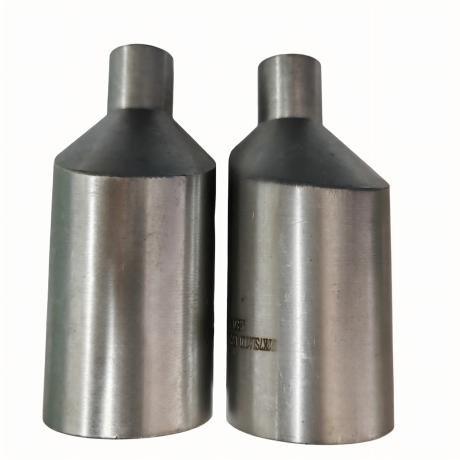
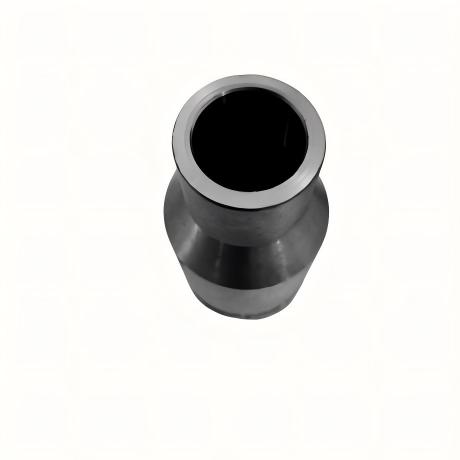
Reinforced Swage Nipple
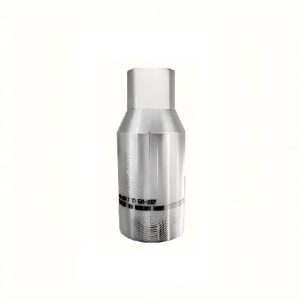
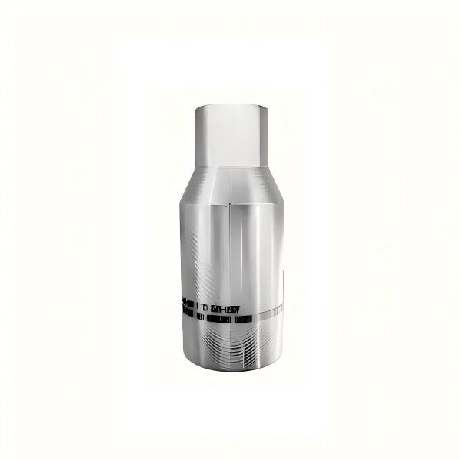
Our reinforced swage nipple is integrated hot forged reducing fitting with thickened reinforced body, used for diameter transition of small-bore high-pressure pipelines. Manufactured strictly per ASME B16.11 & MSS SP-79 standards, all sizes keep full nominal dimension without minus tolerance, widely applied for power, hydraulic, fire and low-temperature industrial piping systems.
Overview Of Reinforced Swage Nipple
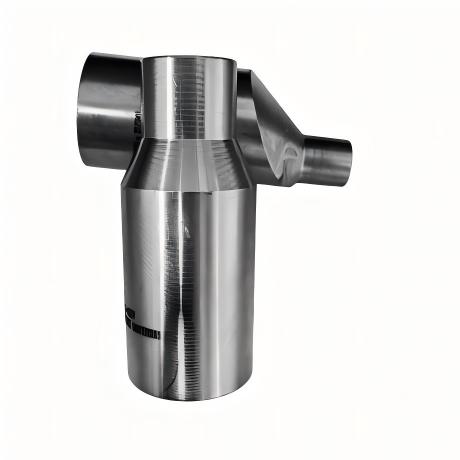
Reinforced Swage Nipple, also called forged reducing swage connector, is one-piece hot forged stepped reducing fitting. Its middle section adopts thickened reinforced structure, which greatly improves pressure resistance and mechanical strength compared with ordinary swage nipple. Two ends are designed for socket weld or butt weld connection to connect two pipes of different diameters for straight pipeline transition. For similar forged socket‑weld high‑pressure branch connection solution, please check our 45 Degree Socket Weld Lateral Tee.
Integrally hot forged from A350 LF2 low-temperature carbon steel (A105 carbon steel, A182 F304/F316L stainless steel optional). Uniform thick wall and reinforced middle body avoid deformation under high pressure. We strictly control OD, ID and wall thickness of every swage nipple, guarantee zero minus tolerance without thin-wall cutting corners. Three standard pressure classes: Class3000, Class6000, Class9000 to satisfy low-temperature and high-pressure working conditions.
Core Key Features Of Reinforced Swage Nipple
- One-piece hot forging integrated forming, thickened reinforced middle body, ultra-high pressure & impact resistance
- Step reducing design, realize straight transition of different-diameter small-bore pipelines
- Dual end connection options: socket weld / butt weld, flexible welding construction
- Main raw material: A350 LF2 low temperature carbon steel; A105 CS / SS F304/F316L optional
- Fully comply with international standards ASME B16.11 & MSS SP-79
- Complete size coverage: DN6 ~ DN100 (1/8″ ~ 4″), all custom reducing ratios supported
- Zero minus tolerance on all dimensional parameters, full standard nominal size
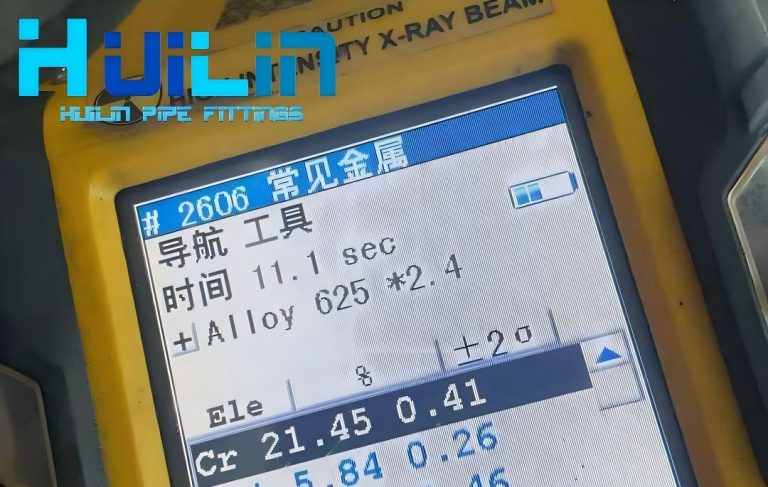
- Full MPI magnetic particle testing & hydrostatic pressure test before shipment, complete MTC material test certificates provided
Technical Specification
| Item | Technical Parameter |
|---|---|
| Product Name | Reinforced Swage Nipple / Forged Reducing Swage Connector |
| Connection Type | Double End Socket Weld / Butt Weld Optional |
| Production Craft | Hot Forged One-Piece Integral Forming (Reinforced Thickened Body) |
| Executive Standard | ASME B16.11, MSS SP-79 |
| Available Materials | A350 LF2 Low Temp Carbon Steel; A105 CS; SS A182 F304 / F316L |
| Pressure Class | Class 3000, Class 6000, Class 9000 |
| Size Range | DN6 ~ DN100 / 1/8″ ~ 4″ |
| Wall Schedule | Sch80, Sch160, XXS, Custom wall thickness |
| Structure Feature | Thickened reinforced middle section for high pressure load |
| Dimensional Tolerance | Full standard nominal size, zero minus tolerance |
| Inspection Items | MPI Magnetic Particle Test, Hydrostatic Test, Full Dimension Inspection |
| Surface Treatment | Black anti-rust paint (Carbon Steel); Pickling & Passivation (Stainless Steel) |
Applications Of Reinforced Swage Nipple
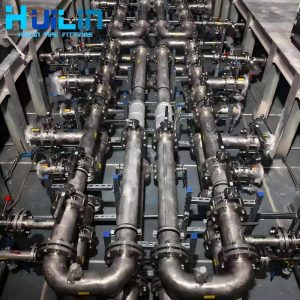
- Thermal power plant instrument auxiliary low-temperature pipelines
- Offshore marine low temperature high-pressure hydraulic piping
- Hydraulic equipment heavy load pressure transition pipelines
- Fire protection small-bore high-pressure branch piping
- LNG & cryogenic equipment low-temperature process pipelines
- Oil & gas field measuring instrument pressure pipeline transition
- Chemical plant high-pressure small-bore control piping
Why Choose Our Reinforced Swage Nipple
- Direct forged fitting factory supply, stable stock & competitive ex-work factory price
- All swage nipples produced to full standard dimensions with zero minus tolerance, never cut corners with thin walls
- Regular common sizes in stock, fast delivery within 7–15 working days
- Custom special reducing ratio, wall thickness and surface treatment supported based on customer drawings
- Complete export certification package: Material Test Certificate (MTC), MPI NDT report, dimensional inspection sheet
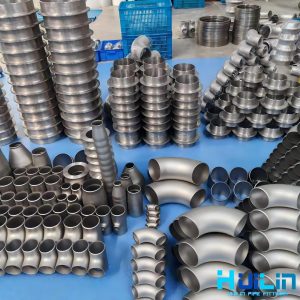
- Standard export wooden case packaging, avoid scratch, rust and deformation during long-distance sea transport
FAQ
Q1: What is the advantage of reinforced swage nipple over ordinary swage nipple?
Q2: Do your reinforced swage nipples have minus tolerance on wall thickness?
Q3: What is A350 LF2 material suitable for?
Q4: Can you supply stainless steel reinforced swage nipples?